
Save 8-12 hours a month on invoicing. Automate payment reminders, track unpaid invoices, and get paid faster.

How much time do you spend chasing payments each month?
Be honest. Add up the time it takes to create the invoice, send it, follow up when it’s three days late, follow up again when it’s two weeks late, check your bank account to see if it landed, write another polite email you don’t want to write. Most freelancers clock 8 to 12 hours a month on this. That’s a full workday, every month, spent on admin instead of billable work.
At $50 an hour, that’s $400 to $600 in lost earning time per month. Over a year, $5,000 to $7,000. For the privilege of chasing money you’ve already earned.
The global freelancer invoicing software market is projected to reach $446 million in 2025, growing at 5.3% annually through 2033, driven largely by the expanding freelance economy. That growth is happening because more freelancers are realizing the same thing: the right tool replaces hours of manual work, sends reminders without you touching anything, and gets you paid faster.
The Hidden Cost of Doing This Manually
Before we get into the tools, it’s worth understanding exactly what manual invoicing actually costs you. Most freelancers underestimate it.
The time adds up faster than people realize. Creating an invoice from scratch: 10 minutes. Sending a follow-up when nothing arrives after 15 days: another 10 minutes. Sending a second follow-up: 10 more. Checking whether it’s been opened. Wondering whether to call. Feeling awkward about it. That cycle, repeated across multiple clients every month, is where the 8 to 12 hours goes.
Accounting software users consistently report that the time to process an invoice dropped from 30 minutes to 5 minutes after switching to dedicated software, and that clients paid an average of 40% faster than before. That 40% improvement is not trivial. If your clients were averaging 35-day payment cycles, 40% faster means you’re seeing money in 21 days instead. For a freelancer invoicing $8,000 a month, that’s $8,000 arriving two weeks earlier, every month. That changes your cash position considerably.
There’s also the money you lose directly to late payments. The Jobbers 2026 payment report found the average freelancer loses $2,240 to $12,900 annually in interest, late fees, and missed opportunities caused by payment delays. A tool that gets you paid 10 days faster doesn’t just save time. It saves real money.
Then there’s the stress calculation, which is harder to quantify but real. Not knowing whether an invoice was received. Wondering if the follow-up email sounded too aggressive. Avoiding a client conversation because you don’t want to seem like you’re just after the money. That mental overhead disappears when the software handles it for you. The reminders go out on a schedule. They’re professional. They’re consistent. And you don’t have to think about it.

What to Look For Before You Commit to a Tool
Not all invoicing software is built the same, and the features that matter most depend on how you work. Here’s what to evaluate before choosing one.
Automatic payment reminders
This is the single feature with the biggest impact on how fast you get paid. The best tools let you set a sequence: a reminder three days before the due date, another the day it’s due, and escalating reminders afterward. Set it once and leave it.
Online payment acceptance
An invoice with a “Pay Now” button that accepts cards, ACH bank transfers, or Apple Pay gets paid faster than one that requires the client to initiate a bank transfer themselves. Removing friction from the payment process directly reduces delays.
Recurring invoices
If you have retainer clients, monthly subscriptions, or any work you bill on a regular schedule, the ability to automate invoice creation and sending saves you from missing a billing cycle. One forgotten invoice per quarter is $3,000 to $5,000 you had to chase that you could have collected automatically.
Time tracking integration
If you bill by the hour, you need this. A tool that tracks your hours and converts them to invoice line items eliminates manual calculation and catches billable time you’d otherwise miss.
An invoice status dashboard
At any given moment, you should be able to see which invoices are paid, which are outstanding, which are overdue by how many days, and what the total value is across each category. An aging report that shows 0-30 days, 30-60 days, 60-90 days, and 90+ days overdue tells you where to focus your attention without reviewing each invoice individually.
Mobile access
Sending professional invoices immediately after completing work, rather than waiting until you’re back at your desk, reduces payment timelines across your whole business. If the tool has a functional mobile app, you can invoice the moment you submit deliverables.
Processing fees
Most tools that accept online payments charge a transaction fee, typically 1% to 3.5% of the invoice value depending on the payment method. If you’re invoicing $10,000 a month and accepting credit cards, 2.9% is $290 per month in fees. That’s worth factoring into your tool decision.
The Tools: An Honest Comparison
FreshBooks
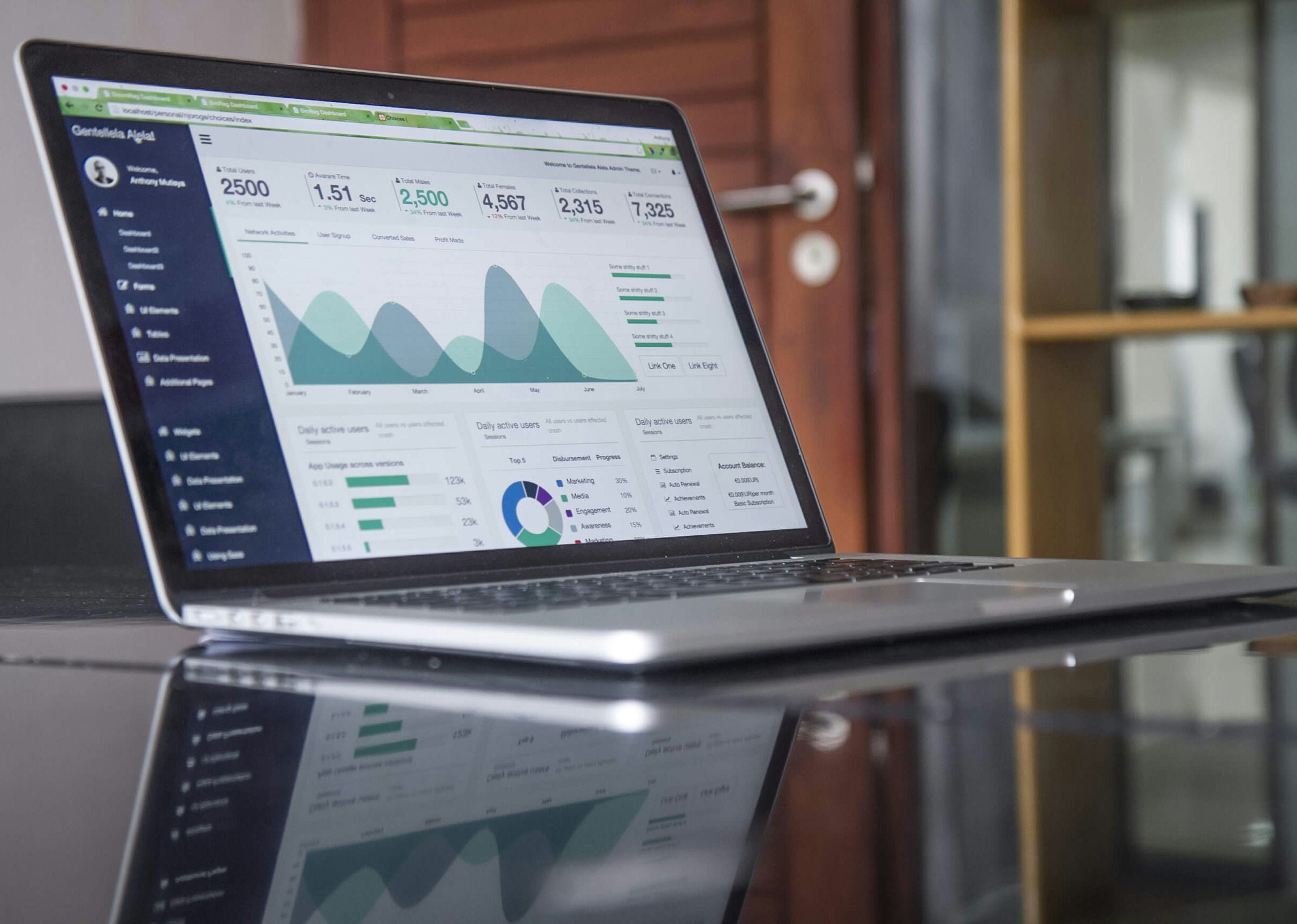
Best for: Freelancers who bill by time or project and want invoicing, expenses, and accounting in a single place.
FreshBooks started as an invoicing tool and has grown into a full accounting platform, but invoicing remains what it does best. Beautiful invoices, easy customization, automatic reminders. Time tracking is built in and converts to invoices automatically. The mobile experience is consistently rated among the best in the category.
The client portal is a standout feature that few freelancers take advantage of. Clients can view invoices, make payments, and see project progress through a branded portal, which reduces the back-and-forth that causes delays. Payment acceptance covers credit and debit cards, ACH bank transfers, Apple Pay, and Google Pay. You can add late payment fees automatically to overdue invoices.
The Lite plan caps you at five billable clients, which is fine for starting out but restricting once you grow. The Plus plan at around $33 per month removes the client limit and is where most active freelancers land.
Pricing: Approximately $19 to $55 per month depending on plan, with a 30-day free trial.
Honest limitation: More expensive than invoicing-only tools. If you genuinely only need invoices and nothing else, you’re paying for features you won’t use.
Wave
Best for: New freelancers who want professional invoicing at no cost, or anyone testing their business model before committing to a paid tool.
Wave’s core invoicing features are free. Unlimited invoices, automatic payment reminders, expense tracking, and basic accounting reports. Revenue comes from payment processing fees when clients pay through the platform — typically 2.9% plus a small per-transaction fee for credit cards, and 1% for bank transfers.
Wave now charges $16 to $19 per month for automatic bank transaction imports on the Pro plan, which undermines the free-tier appeal if you want that feature. Users on Trustpilot and the Better Business Bureau have reported Wave holding customer payments for extended periods with limited communication, and the company’s BBB rating sat at 1.03 out of 5 as of 2025. If you use Wave, monitor your payment settlements closely.
Wave has no built-in time tracking. If you bill by the hour, you’ll need a separate tool like Harvest or Toggl and enter the hours manually.
Pricing: Free for core features. $16 to $19 per month for the Pro plan. Payment processing fees apply per transaction.
Honest limitation: Works well for simple invoicing. The payment-holding complaints are worth taking seriously before routing significant client payments through the platform.
Xero
Best for: Freelancers who work internationally, collaborate with a bookkeeper or accountant, or want professional-grade reporting alongside invoicing.
Xero is what accountants tend to recommend because it’s built with their workflow in mind. Unlimited users on every plan means your accountant or bookkeeper can access the account without extra cost, and the platform integrates with over 1,000 third-party apps. Automatic bank reconciliation, recurring invoices, multi-currency billing, and payment reminders are all included.
For freelancers doing international work, Xero’s multi-currency support is the clearest differentiator. You can invoice in your client’s currency, receive payment, and have the conversion tracked automatically in your home currency for tax and reporting purposes.
The Starter plan at $20 per month caps you at 20 invoices and 5 bills per month — too restrictive for most active freelancers. Most people need the Growing plan at $47 per month from the start.
Pricing: $20 per month (Starter) to $47 per month (Growing). 30-day free trial available.
Honest limitation: The entry plan is too restricted for regular use. Budget for the $47 Growing plan from day one.
Zoho Invoice
Best for: Freelancers who want a full-featured invoicing tool at no cost, or those already using other Zoho products.
Zoho Invoice’s free plan provides a full range of invoicing and billing features including online and offline payment acceptance, automated payment reminders, time tracking, project management, receipt scanning, expense tracking, and real-time reporting — with no time limit on the free plan. That’s a stronger free offering than Wave, and without the payment-holding complaints.
The time tracking and project management features built into the free plan make it more capable than Wave for freelancers who need to track billable hours. You can also invoice in multiple currencies and multiple languages, which matters for anyone working with international clients regularly.
Pricing: Free for most freelancers. Paid plans start at around $15 per month.
Honest limitation: Integrations outside the Zoho ecosystem are limited. If you’re not using other Zoho products, some workflow connections will require workarounds.
Harvest
Best for: Freelancers who bill primarily by the hour and want seamless time-to-invoice conversion.
Harvest provides invoicing specifically for freelancers, agencies, and professional services firms, with over 70,000 businesses using the platform. You track time on a project, hit a button, and Harvest builds the invoice from your logged hours. For hourly freelancers — designers, developers, consultants — this workflow is faster than any other tool covered here.
The project dashboard shows how many hours you’ve worked against your budget on each client, which helps you catch scope creep before it becomes a negotiation. The free plan is limited to one user and two active projects. The Pro plan at $12 per month per user unlocks unlimited projects.
Harvest is not a full accounting platform. It’s an invoicing and time tracking tool that connects to Xero or QuickBooks for the accounting side.
Pricing: Free plan available. Pro plan at $12 per month per user with a 30-day free trial.
Honest limitation: Not a full accounting solution. Works best when paired with Xero or QuickBooks for reporting and tax preparation.
Feature Comparison Table
| Feature | FreshBooks | Wave | Xero | Zoho Invoice | Harvest |
|---|---|---|---|---|---|
| Invoicing | Yes | Yes | Yes | Yes | Yes |
| Auto Reminders | Yes | Pro plan | Yes | Yes | Yes |
| Online Payments | Yes | Yes (fees) | Yes | Yes | Stripe/PayPal |
| Time Tracking | Yes | No | No | Yes | Yes (core) |
| Expense Tracking | Yes | Yes | Yes | Yes | Basic |
| Full Accounting | Yes | Yes | Yes | No | No |
| Multi-currency | Yes | Limited | Yes | Yes | Yes |
| Mobile App | Excellent | Good | Good | Good | Good |
| Client Portal | Yes | No | No | Yes | No |
| Starting Price | ~$19/mo | Free | $20/mo | Free | Free ($12/mo Pro) |
How to Choose the Right One for How You Work
Choose FreshBooks if you bill clients by time or project, want invoicing, expense tracking, and reporting in one place, and want a client portal that lets clients pay without back-and-forth. It’s the tool for freelancers who are serious about their billing process and want automation that works out of the box.
Choose Wave if you’re starting out, your income is modest enough that you want to avoid a monthly subscription, and you’re comfortable monitoring your payment settlements closely. It’s a reasonable entry point, but watch the BBB complaints before routing large payments through it.
Choose Xero if you work with international clients in multiple currencies, you have a bookkeeper or accountant who needs account access, or you’re earning above $100,000 annually and need professional-grade reporting. Budget for the $47 Growing plan from the start.
Choose Zoho Invoice if you want a free tool that goes further than Wave, particularly if you track time and need project management alongside invoicing. Also the right choice if you’re already using Zoho CRM or other Zoho products.
Choose Harvest if you bill exclusively by the hour and want a tool built specifically around time tracking. Pair it with Xero or QuickBooks for your accounting and you have a complete setup without paying for FreshBooks.
Five Invoicing Practices That Get You Paid Faster
The right tool helps, but it doesn’t replace good practices. These five habits compound with the automation to cut payment delays significantly.
1. Invoice immediately
The moment you submit a deliverable, send the invoice. Every day you wait adds a day to your payment timeline. If your terms are Net 14 and you wait three days to invoice, you’ve already extended the payment window to 17 days without realizing it.
2. Put the actual due date on every invoice
Write “Due: April 24, 2026” rather than “Net 14 days.” Clients process specific dates faster than they calculate relative ones. Ambiguity buys you nothing and costs you time.
3. Accept online payments
Clients prefer to pay by card or bank transfer rather than initiating a manual wire payment from their own banking portal. An invoice with a Pay Now button removes the friction that causes passive delays. The processing fee is almost always worth the faster payment cycle.
4. Set up a late payment fee clause
Include in your contracts and on your invoices that payments more than 14 days overdue accrue a 1.5% to 2% monthly late fee. Many freelancers report this shifts client behavior more than any reminder email does — not because clients pay the fee, but because the existence of the clause makes payment a deadline rather than a suggestion.
5. Use recurring invoices for retainer clients
A freelance graphic designer who switched to FreshBooks, automated her reminders, and set up recurring invoices reported that within three months her late payments dropped by 70%, and she spent two fewer hours per week on billing tasks. That combination of the right tool plus consistent practices is where the real change happens.
What to Include on Every Invoice
Missing information on an invoice is a legitimate cause of payment delays. When a client’s accounts payable department can’t match an invoice to a purchase order or project, it sits in a queue until someone figures it out.
Every invoice you send should include: your name and contact information, the client’s business name and billing contact, a unique invoice number, the invoice date, the exact due date, a description of the services delivered, the total amount due, accepted payment methods and payment details, and any applicable tax or VAT information.
Adding a notes section with reminders like “Please include the invoice number when sending payment” reduces processing confusion and speeds up reconciliation on the client’s end. If you’re invoicing a larger company, ask for their purchase order number before you start work and include it on the invoice. Many corporate accounts payable systems won’t process an invoice without a matching PO number.
International Invoicing: What Changes
Currency
Invoice in your client’s local currency when possible. It removes the conversion calculation from their side and reduces the chance of disputes over exchange rate differences. Tools like Xero and Zoho Invoice handle multi-currency automatically. FreshBooks also supports it on higher plans.
VAT and sales tax
Depending on where your client is based, you may need to include VAT, GST, or other tax information on the invoice. EU-based clients often require your VAT registration number and a reverse-charge note if applicable. Get clarity on this before you send your first invoice to a new country.
Payment processing
International ACH and wire transfers take longer than domestic ones, typically three to five business days. Factor that into your payment terms for international clients. Some freelancers use Wise or Stripe for international payments to reduce transfer times and fees.
Get Your Free Payment Reduction Guide

I’ve put together a Payment Reduction Guide covering the invoice practices, reminder templates, and payment term strategies that cut average payment delays by 30 to 50%. It includes a three-email reminder sequence you can customize and paste directly into your invoicing tool, an early payment incentive template, and a payment tracking checklist.
Frequently Asked Questions
Do I need paid invoicing software or is free good enough?
It depends on your volume and what you need the tool to do. If you send fewer than ten invoices a month, flat-rate invoices with no time tracking, and you’re comfortable monitoring payment settlements yourself, Wave or Zoho Invoice’s free plan covers you. Once you’re invoicing regularly, billing by the hour, or need professional reporting, the paid tools pay for themselves quickly through time saved and faster payment cycles.
Do I need to accept online payments?
You don’t have to, but it reduces payment delays noticeably. Removing the step where a client has to log into their own bank and initiate a transfer means more clients pay the moment they open the invoice. The processing fee of 1% to 3% is usually worth the improvement in payment speed.
Can I use invoicing software and accounting software separately?
Yes, and some freelancers do. Harvest plus Xero is a common combination: Harvest handles time tracking and invoicing, Xero handles the books. The main downside is managing two subscriptions and making sure the integration stays synced. If you want one tool, FreshBooks or Xero alone covers both functions reasonably well.
What if I only send two or three invoices a month?
Wave or Zoho Invoice. Both are free at that volume. You don’t need to pay $33 a month for invoicing software if you’re billing two clients.
Should I offer early payment discounts?
For clients who regularly pay late, yes. A 2% discount for payment within seven days often shifts behavior. On a $5,000 invoice, you’re giving up $100 to collect $4,900 reliably rather than chasing $5,000 for 40 days. Run the math for your situation, but it often makes sense.
What if a client disputes an invoice?
Address it directly and quickly. Ask them to specify exactly what they’re disputing, in writing. Most invoice disputes come down to scope misalignment or a missing deliverable detail. A clear scope of work agreed before the project starts eliminates most of them. For genuine disputes after the work is done, offer to discuss and document the resolution in writing before adjusting the invoice amount.
Start Here
Pick one tool, set it up today, and send your next invoice through it. You don’t need to migrate your entire billing history or configure everything perfectly on day one.
If you bill by the hour or by project and want the most complete setup: start with FreshBooks. If you’re testing the waters or keeping costs at zero: start with Wave or Zoho Invoice. If you work internationally or want a tool your accountant can also use: start with Xero.
The goal is to stop doing this manually. Whatever tool you choose, the automation alone is worth the switch.
Pricing and features reflect publicly available information as of early 2026. Verify current pricing directly with each provider before subscribing, as plans and rates change.